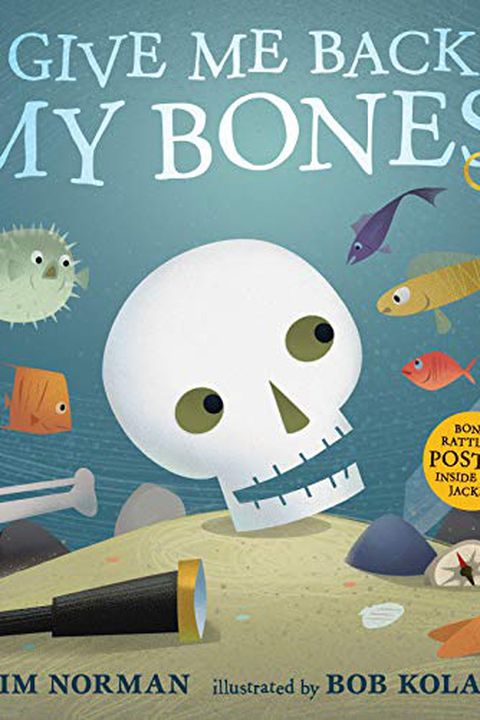
by Kim Norman
A short, rhyming picture book that sends a silly pirate skeleton on a treasure-hunt beneath the waves. The language is jaunty and built for read-alouds, and illustrations carry much of the clue-and-surprise work, so the fun comes from timing and visual payoffs as bones reappear. Its useful part is lighthearted engagement: kids laugh at the premise and point out details. Its limitation is thin explanatory content — readers looking for true-to-life anatomy or a plot-heavy tale will feel unsatisfied.
This summary and audience guidance are AI-generated from the book's description and its recommendation history, last updated May 2026. Recommendations, quotes and sources elsewhere on this page come from published material and are not generated.
A silly pirate skeleton seeks to put its bones back together in this rhyming romp beneath the waves.Cast a spyglass 'round herewhile breakers curl and pound here.There's treasure to be found here I feel it in my bones!A stormy night at sea has uncovered some longburied secrets and surprises. Is that the mast of a shipwreck A faded pirate hat ...
Difficulty:easy
Check formats, pricing, and availability options for Kindle, physical print, or audiobooks directly.
View available editions on AmazonWhy recommended
appears in Children's, Science, and Fiction.
Recommendation proof is sourced from public posts, interviews, reading lists, and cited references.
No verified recommendation proof available yet.
Check formats, pricing, and availability options directly on Amazon.
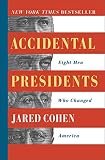
Consider Accidental Presidents by Jared Cohen. Recommended by 10 sources.
“Accidental Presidents offers eight narrative portraits of men who succeeded to the U.S. presidency without election, using anecdote-rich scenes and readable context to show how personality and circumstance interact with office power. It’s strongest as a set of self-contained stories that make succession stakes concrete for non-specialist readers; it does not prioritize dense archival argument or exhaustive methodology, so expect some interpretive generalizations and repeated themes across cases. Use it for fast historical orientation rather than scholarly deep-dives.”

Each recommendation is collected from a public source — interviews, articles, or curated lists — and linked to its original URL. Books with many verifiable recommendations from respected people rank higher.