BookMentionsBookMentions
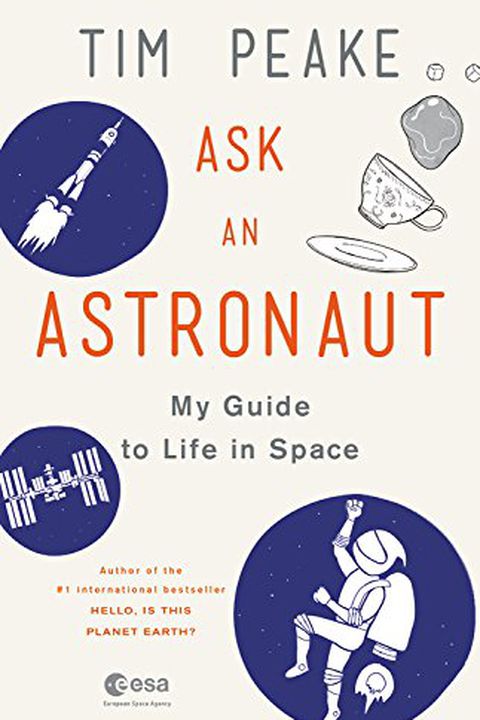
Ask an Astronaut

Ask an Astronaut

My Guide to Life in Space

by Tim Peake

Check price on Amazon

Proof-backed recommendation

Amazon availability

Reading Profile

Difficulty:easy
Themes:everyday-gestures vs extraordinary-environmentanecdote vs technical-explanation

Should I read this?

Ask an Astronaut reads like a guided FAQ from someone who's lived the experience: short questions, plain answers, and personal moments about sneezing in microgravity, spacewalks, re-entry and the sight of Earth. Its useful part is the human texture — small, memorable details that turn abstract facts into lived situations. The main limitation is scope: readers who like rigorous technical explanation or systematic timelines will find it light and occasionally repetitive, because the format favors anecdote over deep technical unpacking.

Read this if...

  • secondary-school science teacher planning a single 45-minute lesson on human spaceflight next week who needs short, vivid anecdotes and quick answers to spark student curiosity and fill discussion time without prepping complex technical material.
  • weekend casual space reader with limited attention who wants accessible, human-centered stories before deciding whether to invest in denser mission histories—fits now if you want low-commitment, first-person color rather than equations or schematics.
  • museum or planetarium docent assembling a 10–15 minute visitor talk or FAQ corner this month who needs ready-to-tell, shareable anecdotes and plain-language explanations to answer common audience questions on the fly.

Skip this if...

  • you'll likely put it down when the format cycles through similar anecdotes and the novelty fades — expect repetition of experience-focused answers.
  • annoying if you prefer technical manuals or engineering detail; the book lacks deep systems explanations and long procedural descriptions.
  • annoying if you wanted exercises or structured learning: no hands-on activities or step-by-step training content, just descriptive Q&A.

What happens when you sneeze in space Was it fun to do a space walk How squashed were you in the capsule on the way back What were your feelings as you looked down on Earth for the first time Were you ever scared Where to nextthe Moon, Mars, or beyond...

Before You Buy

Reading Specifications

Difficulty:easy

Themes:
everyday-gestures vs extraordinary-environmentanecdote vs technical-explanationpersonal-feeling vs mission-procedure

Audience Fit

Recommended for:
  • secondary-school science teacher planning a single 45-minute lesson on human spaceflight next week who needs short, vivid anecdotes and quick answers to spark student curiosity and fill discussion time without prepping complex technical material.
  • weekend casual space reader with limited attention who wants accessible, human-centered stories before deciding whether to invest in denser mission histories—fits now if you want low-commitment, first-person color rather than equations or schematics.
  • museum or planetarium docent assembling a 10–15 minute visitor talk or FAQ corner this month who needs ready-to-tell, shareable anecdotes and plain-language explanations to answer common audience questions on the fly.
Not ideal if you want:
  • you'll likely put it down when the format cycles through similar anecdotes and the novelty fades — expect repetition of experience-focused answers.
  • annoying if you prefer technical manuals or engineering detail; the book lacks deep systems explanations and long procedural descriptions.
  • annoying if you wanted exercises or structured learning: no hands-on activities or step-by-step training content, just descriptive Q&A.

Check formats, pricing, and availability options for Kindle, physical print, or audiobooks directly.

View available editions on Amazon

Key themes

everyday-gestures vs extraordinary-environmentanecdote vs technical-explanationpersonal-feeling vs mission-procedurecuriosity-driven-questions vs future-mission spec…

Why recommended

appears in Astronomy.

Recommendation Signals

Recommendation proof is sourced from public posts, interviews, reading lists, and cited references.

No verified recommendation proof available yet.

Appears In

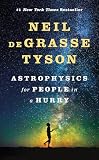
Astrophysics for People in a Hurry
Try This Instead

Not sure if this is the right fit?

Consider Astrophysics for People in a Hurry by Neil deGrasseTyson. Recommended by 2 sources.

Tyson writes short, conversational chapters that translate cosmic scale, basic astrophysics, and the arc of cosmic history into vivid metaphors and brisk explanations. The most useful part is orientation—memorable anchors and mental images that make large ideas stick without equations. Annoying or limiting: frequent brevity means topics are sketched rather than developed, and recurring jokes or one-liners can feel surface-level. Best as an appetite-whetter or primer, not a deep technical course. Read in short sessions; it hands you curiosity more than instruction.

Similar books

How recommendation signals are reviewed

Each recommendation is collected from a public source — interviews, articles, or curated lists — and linked to its original URL. Books with many verifiable recommendations from respected people rank higher.

Ask an Astronaut

Ask an Astronaut

View on Amazon →