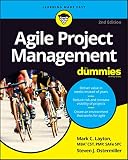
by Mark C. Layton
This is a straightforward, nontechnical primer for applying Agile to projects beyond software, with examples on roadmaps, sprint planning, and launch checklists. Chapters are short and example-driven, offering sample schedules and roles you can adapt quickly. The tone stays introductory, so expect simplified treatments rather than deep performance analysis or enterprise scaling detail. Best used as a desk reference to start Agile rituals and align stakeholders; it can frustrate readers who want heavy data or exhaustive implementation playbooks.
This summary and audience guidance are AI-generated from the book's description and its recommendation history, last updated June 2026. Recommendations, quotes and sources elsewhere on this page come from published material and are not generated.
Flex your project management muscle Agile project management is a fast and flexible approach to managing all projects, not just software development. By learning the principles and techniques in this book, you'll be able to create a product roadmap, schedule projects, and prepare for product launches with the ease of Agile software developers. You'...
Difficulty:easy
Check formats, pricing, and availability options for Kindle, physical print, or audiobooks directly.
View available editions on AmazonWhy recommended
appears in Business and Nonfiction.
Recommendation proof is sourced from public posts, interviews, reading lists, and cited references.
No verified recommendation proof available yet.
Check formats, pricing, and availability options directly on Amazon.
Consider The Hard Thing About Hard Things by Ben Horowitz. Recommended by 60 sources.
“A blunt, conversational tour through the worst parts of building a company. Horowitz shares personal stories from his own startup failures and recoveries, offering practical wisdom on layoffs, pivots, CEO loneliness, and managing when times are bad. The value is in the honest, experience-based insight you won't get from business school. The limitation is its narrow focus on venture-backed tech startups—if you're not in that world, some advice may feel irrelevant. Reads like a wise mentor telling you what nobody else will.”
Each recommendation is collected from a public source — interviews, articles, or curated lists — and linked to its original URL. Books with many verifiable recommendations from respected people rank higher.