
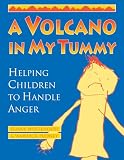
A Volcano in My Tummy
Helping Children to Handle Anger
by Eliane Whitehouse
Reading Profile
Should I read this?
A Volcano in My Tummy is a plainspoken, skills-focused primer that hands adults short explanations and concrete language to teach children about anger. The book's strength is practicality: clear phrases, short examples, and scenarios you can try at home or in class. The main limitation is repetition—similar scripts and drills recur enough that readers seeking compact theory, more nuance, or advanced tactics may find it basic and occasionally tedious.
Read this if...
- •a parent of a 3–10-year-old who has frequent tantrums and wants simple, calm language to practise naming feelings at home
- •a primary-school teacher or classroom assistant building a routine for cooling down after conflicts who needs short scripts and examples to use immediately
- •a childcare worker or youth-group leader preparing quick activities to introduce emotion-naming and safer ways to vent anger with small groups
Skip this if...
- •you'll likely put it down when the same scripts and examples appear repeatedly; the middle sections can feel like reruns of earlier drills
- •annoying if you prefer dense psychological theory, scholarly nuance, or long-form explanation rather than short practical lines and role-play scenarios
- •not for professionals seeking clinical treatment plans or advanced behavioral programming—this reads as practical guidance for adults, not technical protocols
A Volcano in My Tummy: Helping Children to Handle Anger presents a clear and effective approach to helping children and Adult,s alike understand and deal constructively with children's anger. Using easy to understand yet rarely taught skills for anger management, including how to teach communication of emotions, A Volcano in My Tummy offers engaging...
Before You Buy
Reading Specifications
Difficulty:hard
Audience Fit
- a parent of a 3–10-year-old who has frequent tantrums and wants simple, calm language to practise naming feelings at home
- a primary-school teacher or classroom assistant building a routine for cooling down after conflicts who needs short scripts and examples to use immediately
- a childcare worker or youth-group leader preparing quick activities to introduce emotion-naming and safer ways to vent anger with small groups
- you'll likely put it down when the same scripts and examples appear repeatedly; the middle sections can feel like reruns of earlier drills
- annoying if you prefer dense psychological theory, scholarly nuance, or long-form explanation rather than short practical lines and role-play scenarios
- not for professionals seeking clinical treatment plans or advanced behavioral programming—this reads as practical guidance for adults, not technical protocols
Check formats, pricing, and availability options for Kindle, physical print, or audiobooks directly.
View available editions on AmazonKey themes
Why recommended
appears in Anger Management.
Recommendation Signals
Recommendation proof is sourced from public posts, interviews, reading lists, and cited references.
No verified recommendation proof available yet.
Appears In
Not sure if this is the right fit?
Consider Boys & Sex by Peggy Orenstein.
“The book uses a direct, interview-rich style that moves between reported scenes, classroom and family examples, and cultural commentary. It presents frequent verbatim quotes and practical phrases aimed at lowering the bar for awkward conversations about consent and desire. The book favors anecdote and reporting over detailed quantitative analysis, so readers expecting lots of numbers or systematic meta-review may find it light on statistical evidence. At times the author's corrective voice becomes prescriptive and repeats themes, which can slow momentum.”
Similar books

How recommendation signals are reviewed
Each recommendation is collected from a public source — interviews, articles, or curated lists — and linked to its original URL. Books with many verifiable recommendations from respected people rank higher.