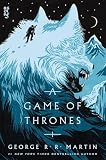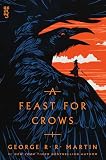
Game of Thrones, Book 4
by George R. R. Martin

Recommended by Elon Musk
Check price on AmazonProof-backed recommendation
Amazon availability
Dense, episodic and regionally focused, A Feast for Crows slows the story down to map power, gossip and the aftermath of war. Its useful part is texture: detailed scenes, moral ambiguity, and a wide roster of viewpoints that fill out the world’s politics and local grievances. The main limitation is pacing and scope—large-scale action is often off-stage, many chapters follow less-familiar characters, and the book can feel repetitive or stalled if you expect constant forward thrust.
This summary and audience guidance are AI-generated from the book's description and its recommendation history, last updated June 2026. Recommendations, quotes and sources elsewhere on this page come from published material and are not generated.
Crows will fight over a dead man's flesh, and kill each other for his eyes.Bloodthirsty, treacherous and cunning, the Lannisters are in power on the Iron Throne in the name of the boyking Tommen. The war in the Seven Kingdoms has burned itself out, but in its bitter aftermath new conflicts spark to life.The Martells of Dorne and the Starks of Wint...
Difficulty:hard
Check formats, pricing, and availability options for Kindle, physical print, or audiobooks directly.
View available editions on AmazonWhy recommended
Recommended by 1 source and appears in Books Recommended by Elon Musk, Fantasy, and Fiction.
People and public figures who have recommended this book.
Recommendation proof is sourced from public posts, interviews, reading lists, and cited references.
Elon Musk
Co-founder of PayPal, Tesla, SpaceX, and Neuralink
“Best books in recent years imo are Iain Banks & George Martin.”
Check formats, pricing, and availability options directly on Amazon.
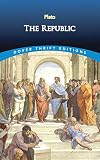
Consider The Republic by Plato. Recommended by 13 sources.
“Plato stages an extended Socratic conversation that moves from concrete questions about justice into broad proposals about an ideal city, the structure of the soul, and what counts as reality and knowledge. Reading alternates brisk question-and-answer snippets with long, cumulative demonstrations that reward careful attention and annotation. Main value: a wealth of thought experiments for testing political and ethical intuitions. Main limitation: repetitive refutations, long policy sketches and dense metaphysical passages can feel abstruse and slow; patience and some philosophical background help.”
Each recommendation is collected from a public source — interviews, articles, or curated lists — and linked to its original URL. Books with many verifiable recommendations from respected people rank higher.