Scholomance, Book 1
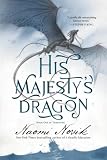
by Naomi Novik
Recommended by William Henry
Check price on AmazonProof-backed recommendation
Amazon availability
A Deadly Education moves briskly and leans hard on a caustic, self-defensive narrator navigating a lethal magical school where rules and survival collide. what works best is page-turning tension: clever set pieces, inventive danger, and a protagonist whose moral ambiguity keeps decisions interesting. The main limitation is tone and repetition—sustained sarcasm plus recurring lore dumps blunt emotional variety, and some secondary characters remain thin. Best for readers after sharp plotting and attitude more than quiet intimacy.
This summary and audience guidance are AI-generated from the book's description and its recommendation history, last updated June 2026. Recommendations, quotes and sources elsewhere on this page come from published material and are not generated.
NEW YORK TIMES BESTSELLER From the author of Uprooted and Spinning Silver comes the first book of the Scholomance trilogy, the story of an unwilling dark sorceress who is destined to rewrite the rules of magic. "The dark school of magic I've been waiting for." Katherine Arden, author of Winternight TrilogyI decided that Orion Lake needed to die a...
Difficulty:hard
Check formats, pricing, and availability options for Kindle, physical print, or audiobooks directly.
View available editions on AmazonWhy recommended
Recommended by 1 source and appears in Teen & Young Adult, Adult, and Fantasy.
People and public figures who have recommended this book.
Recommendation proof is sourced from public posts, interviews, reading lists, and cited references.
William Henry
“Naomi Novik has written the wizard school book that we all deserve!Constant peril, fresh magic system, and a deeper discussion of how educational inequality currently functions than I ever expected to see in fantasy.”
Check formats, pricing, and availability options directly on Amazon.
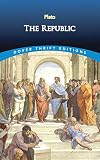
Consider The Republic by Plato. Recommended by 13 sources.
“Plato stages an extended Socratic conversation that moves from concrete questions about justice into broad proposals about an ideal city, the structure of the soul, and what counts as reality and knowledge. Reading alternates brisk question-and-answer snippets with long, cumulative demonstrations that reward careful attention and annotation. Main value: a wealth of thought experiments for testing political and ethical intuitions. Main limitation: repetitive refutations, long policy sketches and dense metaphysical passages can feel abstruse and slow; patience and some philosophical background help.”
Each recommendation is collected from a public source — interviews, articles, or curated lists — and linked to its original URL. Books with many verifiable recommendations from respected people rank higher.