BookMentionsBookMentions
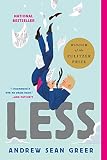
Less
6 recommendations

Less

A Novel

by Andrew Sean Greer

Recommended by Nancy Pearl, Nick Crocker +
4 more

More Recommenders

R

@kimsrogers Yes! I love that book so much. | Agreed. Loved this book. | Devoured this book on the plane. So poignant and funny. Admire any writer who can make you belly laugh in public :)

Source →
C

@kimsrogers Yes! I love that book so much. | Agreed. Loved this book. | Devoured this book on the plane. So poignant and funny. Admire any writer who can make you belly laugh in public :)

Source →
N

@kimsrogers Yes! I love that book so much. | Agreed. Loved this book. | Devoured this book on the plane. So poignant and funny. Admire any writer who can make you belly laugh in public :)

Source →
C

@kimsrogers Yes! I love that book so much. | Agreed. Loved this book. | Devoured this book on the plane. So poignant and funny. Admire any writer who can make you belly laugh in public :)

Source →

Recommended by 6 notable people, including Nancy Pearl and Nick Crocker

Check price on Amazon

Proof-backed recommendation

Amazon availability

Reading Profile

Difficulty:hard
Themes:escape vs accountabilityhumor vs sorrow

Should I read this?

Starts as a wry comic travelogue about a middle-aged novelist dodging an ex's wedding, then settles into warm, often rueful scenes that balance self-mockery with aching loneliness. Useful parts are compact character sketches and a conversational voice that models self-deprecating humor and observational detail. Annoyance: episodic structure and frequent interior ruminations can feel meandering and repetitive, draining momentum for readers who want a strong, plot-driven throughline. Tone stays light but leans bittersweet; emotional payoffs are modest, not broad.

Read this if...

  • a 40-something fiction writer stalled on a new draft who needs a short, readable model of self-deprecating voice and scene-level characterization to reset tone before returning to revisions — fits now if you're trying to unblock by studying voice rather than plotting.
  • a book-club host planning next month's meeting around gentle queer fiction who wants an accessible, discussion-friendly pick that sparks conversation about regret, identity, and travel — fits now if your group prefers low-stakes reading that surfaces memory and character rather than plot twists.
  • a travel writer or magazine editor preparing a short feature on scene-driven vignettes who needs compact examples of place-focused, episodic prose to annotate for tone and pacing — fits now if you need a quick source of small, self-contained travel scenes to show writers or to mine for craft notes.

Skip this if...

  • you'll likely put it down when the travel episodes pile up and the central plot barely advances; the middle stretches into repeat interior ruminations and anecdote-heavy detours.
  • annoying if you prefer fast-moving plots, clear romantic payoff, or crisp conclusions — this is low-stakes, reflective, and often meandering.
  • not for readers who dislike wry, self-embarrassing narrators or prolonged interior monologue; the voice can feel indulgent or sentimental to those wanting more narrative drive.

Who says you can't run away from your problems You are a failed novelist about to turn fifty. A wedding invitation arrives in the mail: your boyfriend of the past nine years is engaged to someone else. You can't say yesit would be too awkwardand you can't say noit would look like defeat. On your desk are a series of invitations to halfbaked...

Before You Buy

Reading Specifications

Difficulty:hard

Themes:
escape vs accountabilityhumor vs sorrowpublic performance vs private shame

Audience Fit

Recommended for:
  • a 40-something fiction writer stalled on a new draft who needs a short, readable model of self-deprecating voice and scene-level characterization to reset tone before returning to revisions — fits now if you're trying to unblock by studying voice rather than plotting.
  • a book-club host planning next month's meeting around gentle queer fiction who wants an accessible, discussion-friendly pick that sparks conversation about regret, identity, and travel — fits now if your group prefers low-stakes reading that surfaces memory and character rather than plot twists.
  • a travel writer or magazine editor preparing a short feature on scene-driven vignettes who needs compact examples of place-focused, episodic prose to annotate for tone and pacing — fits now if you need a quick source of small, self-contained travel scenes to show writers or to mine for craft notes.
Not ideal if you want:
  • you'll likely put it down when the travel episodes pile up and the central plot barely advances; the middle stretches into repeat interior ruminations and anecdote-heavy detours.
  • annoying if you prefer fast-moving plots, clear romantic payoff, or crisp conclusions — this is low-stakes, reflective, and often meandering.
  • not for readers who dislike wry, self-embarrassing narrators or prolonged interior monologue; the voice can feel indulgent or sentimental to those wanting more narrative drive.

Check formats, pricing, and availability options for Kindle, physical print, or audiobooks directly.

View available editions on Amazon

Key themes

escape vs accountabilityhumor vs sorrowpublic performance vs private shameartistic failure vs identitysolitude vs desire

Why recommended

Recommended by 6 sources and appears in Romance and Fiction.

Recommended by notable people

People and public figures who have recommended this book.

Recommendation Signals

Recommendation proof is sourced from public posts, interviews, reading lists, and cited references.

N

Nicola Sturgeon

@kimsrogers Yes! I love that book so much. | Agreed. Loved this book. | Devoured this book on the plane. So poignant and funny. Admire any writer who can make you belly laugh in public :)
View sources (3) ▾80%

Appears In

Norwegian Wood
Try This Instead

Not sure if this is the right fit?

Consider Norwegian Wood by Haruki Murakami. Recommended by 7 sources.

Murakami's prose inhabits Toru’s quiet, inward voice, moving through campus rooms and memory with spare, melancholic detail. The most useful part is how small domestic moments and steady first-person narration make loneliness and mourning feel tactile and slow-burning. The main limitation is repetition: long stretches of interior monologue and muted melancholy can stagnate the middle, testing patience. Readers who want plot momentum or emotional variety will find the tone indulgent, while those receptive to lingering mood will be rewarded.

Similar books

How recommendation signals are reviewed

Each recommendation is collected from a public source — interviews, articles, or curated lists — and linked to its original URL. Books with many verifiable recommendations from respected people rank higher.