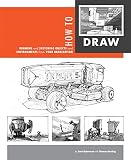
drawing and sketching objects and environments from your imagination
by Scott Robertson
Recommended by public sources
Amazon availability
Recommended by 2 sources and appears in Art, Design, and Art.
How to Draw is for artists, architects and designers. It is useful to the novice, the student and the professional. You will learn how to draw any object or environment from your imagination, starting with the most basic perspective drawing skills. Early chapters explain how to draw accurate perspective grids and ellipses that in later chapters pro...
Check formats, pricing, and current availability directly.
Why recommended
Recommended by 2 sources and appears in Art, Design, and Art.
People and public figures who have recommended this book.
Recommendation proof is sourced from public posts, interviews, reading lists, and cited references.
Check formats, pricing, and availability options directly on Amazon.
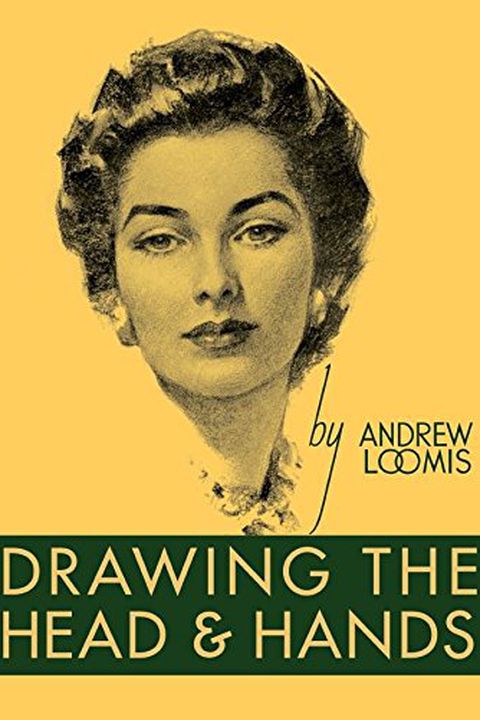
Consider Drawing the Head and Hands by Andrew Loomis.
“Andrew Loomis presents a constructive, proportion-first method for drawing heads and hands, relying on annotated plates and progressive demonstrations. The book reads visually: many pages show staged drawings you can copy or reverse-engineer at the easel. Its most useful element is straightforward plane construction and repeatable proportion rules that speed up believable sketching. Annoyances include dated terminology, a narrow set of model-types, and repetitive examples that assume those proportional ideals. Plan to pair it with other references for photo-based anatomy.”
Each recommendation is collected from a public source — interviews, articles, or curated lists — and linked to its original URL. Books with many verifiable recommendations from respected people rank higher.