
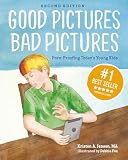
Good Pictures Bad Pictures
PornProofing Today's Young Kids
by Kristen A Jenson
Amazon availability
Reading Profile
Should I read this?
A concise read-aloud aimed at making an awkward first talk feel doable, written in plain, repeatable lines parents can use aloud or rehearse. Its strength is immediate usability: short phrasing and clear safety language that reduces parental hesitation. The limitation is scope — it sticks to simple explanations and brief warnings rather than unpacking developmental nuance or offering follow-up lessons. That makes it a practical starter but frustrating if you need layered guidance for older children or a long-term plan.
Read this if...
- •a parent of a 4–7-year-old who just learned their child may have seen explicit images — needs calm, rehearseable lines to start a conversation today
- •an early-elementary teacher planning a quick classroom readaloud about body boundaries — wants a neutral, non-graphic script to introduce the idea without getting into detail
- •a caregiver who freezes at the idea of 'the talk' and wants a short, role-playable script to practice so the first conversation feels less awkward
Skip this if...
- •you want a step-by-step, age-progressive sex-education plan — the book stays at a basic level and doesn’t provide long-term curricula
- •you prefer structured follow-up tools like lesson plans or activities — you’ll lose interest if you expect concrete classroom or at-home exercises
- •you'll likely put it down when you need nuanced explanations for tweens/teens — the tone and examples feel simplified and repetitive once you’re past early-childhood needs
Want a natural and comfortable way to talk to your kids about pornography This newly revised edition of the original bestseller makes that daunting discussion easy! Good Pictures Bad Pictures is a readaloud story about a mom and dad who explain what pornography is, why it?s dangerous, and how to reject it.Featuring easytounderstand science and ...
Before You Buy
Reading Specifications
Difficulty:easy
Audience Fit
- a parent of a 4–7-year-old who just learned their child may have seen explicit images — needs calm, rehearseable lines to start a conversation today
- an early-elementary teacher planning a quick classroom readaloud about body boundaries — wants a neutral, non-graphic script to introduce the idea without getting into detail
- a caregiver who freezes at the idea of 'the talk' and wants a short, role-playable script to practice so the first conversation feels less awkward
- you want a step-by-step, age-progressive sex-education plan — the book stays at a basic level and doesn’t provide long-term curricula
- you prefer structured follow-up tools like lesson plans or activities — you’ll lose interest if you expect concrete classroom or at-home exercises
- you'll likely put it down when you need nuanced explanations for tweens/teens — the tone and examples feel simplified and repetitive once you’re past early-childhood needs
Check formats, pricing, and availability options for Kindle, physical print, or audiobooks directly.
View available editions on AmazonKey themes
Why recommended
appears in Parenting, Relationships & Family, and Children's.
Recommendation Signals
Recommendation proof is sourced from public posts, interviews, reading lists, and cited references.
No verified recommendation proof available yet.
Ready to read Good Pictures Bad Pictures?
Check formats, pricing, and availability options directly on Amazon.
Appears In
Not sure if this is the right fit?
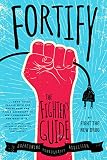
Consider Fortify by Fight the New Drug.
“Fortify presents a direct, advocacy-driven manual aimed at people worried about pornography's effect on young lives. Expect urgent problem-setting, personal accounts, and step-by-step recommendations framed as practical action. what works best is clarity and specific behavioral guidance rather than academic nuance or long debates. The main limitation is a one-sided, moralistic tone that may alienate readers seeking balanced evidence, neutral language, or detailed citation. Best used as a hands-on, values-driven resource rather than a scholarly survey.”
Similar books
Fortify
Fight the New Drug
Lesbian Love Addiction
Lauren D. Costine
Breathing Under Water
Richard Rohr O. F. M.
Lust, Men, and Meth
David Michael Fawcett
Facing Heartbreak
Stefanie Carnes
Breaking the Cycle
George Collins MaHow recommendation signals are reviewed
Each recommendation is collected from a public source — interviews, articles, or curated lists — and linked to its original URL. Books with many verifiable recommendations from respected people rank higher.