
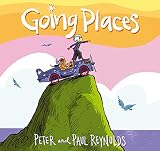
Going Places
by Paul A. Reynolds, Peter H. Reynolds
Reading Profile
Should I read this?
Going Places reads like a tidy read-aloud about creativity under pressure: a neighborhood gocart contest hands every kid the same kit while one child, Maya, takes a different route. The book's chief value is an encouraging image-driven case for imagination and making over copying — its illustrations give the gaps energy and invite play. The main limitation is narrative thinness: adults looking for nuance about competition, process, or concrete 'how-to' guidance may find the story too schematic and emotionally neat.
Read this if...
- •elementary-school teacher planning a unit on creativity: short read-aloud that prompts a follow-up craft or design activity and shows a simple alternative to copying.
- •parent of a hesitant maker-child preparing for a weekend project: a gentle example of choosing your own approach that can model risk-taking and improvisation at home.
- •library storytime host building a 20-minute program about problem-solving: quick pacing and bold images that invite group questions and drawing or building extensions.
Skip this if...
- •you'll likely put it down when you wanted a realistic, high-stakes story—plot is spare and resolves neatly rather than exploring complications.
- •annoying if you prefer moral ambiguity or adult-level nuance; the tone is uncomplicated and leans toward a clear, uplifting message.
- •not for readers who need practical instructions or project templates—lacks hands-on exercises or step-by-step how-to guidance.
A gocart contest inspires imagination to take flight in this picture book for creators of all ages, with art from New York Times bestselling illustrator Peter H. Reynolds.It's time for this year's Going Places contest! Finally. Time to build a gocart, race it?and win. Each kid grabs an identical kit, and scrambles to build.Everyone but Maya. She ...
Before You Buy
Reading Specifications
Difficulty:hard
Audience Fit
- elementary-school teacher planning a unit on creativity: short read-aloud that prompts a follow-up craft or design activity and shows a simple alternative to copying.
- parent of a hesitant maker-child preparing for a weekend project: a gentle example of choosing your own approach that can model risk-taking and improvisation at home.
- library storytime host building a 20-minute program about problem-solving: quick pacing and bold images that invite group questions and drawing or building extensions.
- you'll likely put it down when you wanted a realistic, high-stakes story—plot is spare and resolves neatly rather than exploring complications.
- annoying if you prefer moral ambiguity or adult-level nuance; the tone is uncomplicated and leans toward a clear, uplifting message.
- not for readers who need practical instructions or project templates—lacks hands-on exercises or step-by-step how-to guidance.
Check formats, pricing, and availability options for Kindle, physical print, or audiobooks directly.
View available editions on AmazonKey themes
Why recommended
appears in Critical Thinking.
Recommendation Signals
Recommendation proof is sourced from public posts, interviews, reading lists, and cited references.
No verified recommendation proof available yet.
Appears In
Not sure if this is the right fit?
Consider The Demon-Haunted World by Carl Sagan. Recommended by 4 sources.
Similar books
The Demon-Haunted World
Carl Sagan
How to Think about Weird Things
Theodore Schick, Lewis Vaughn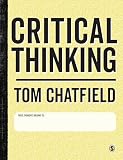
Critical Thinking
Tom Chatfield
Wait, What
James E. Ryan
The Critical Thinking Toolkit
Galen A. Foresman, Peter S. Fosl, Jamie C. WatsonThe 5 Elements of Effective Thinking
Edward B. BurgerA Rulebook for Arguments
Anthony WestonAsking the right questions
M. Neil BrowneHow recommendation signals are reviewed
Each recommendation is collected from a public source — interviews, articles, or curated lists — and linked to its original URL. Books with many verifiable recommendations from respected people rank higher.