Egyptian Mythology for Kids
by Morgan E. Moroney
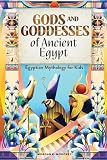
Gods and Goddesses of Ancient Egypt offers a breezy guided tour of Egyptian deities, linking gods to the rhythms of daily life — from dawn’s sun to the Nile’s flood. The prose is accessible and descriptive, useful as a quick primer or a source of evocative images for writers and teachers. Its main limitation is its surface-level treatment: it prioritizes readable summaries over deep source discussion, so readers seeking original texts, detailed archaeological evidence, or sustained scholarly argument will likely find it thin.
This summary and audience guidance are AI-generated from the book's description and its recommendation history, last updated June 2026. Recommendations, quotes and sources elsewhere on this page come from published material and are not generated.
Unearth the magic and mythology of ancient Egyptian gods and goddessesFrom the rising of the morning sun to the summer flooding of the Nile River, the ancient Egyptians believed powerful gods and goddesses ruled over every aspect of their daily lives. This Egyptian mythology guide takes you on a trip through the sands of time to explore the world o...
Difficulty:hard
Check formats, pricing, and availability options for Kindle, physical print, or audiobooks directly.
View available editions on AmazonRecommendation proof is sourced from public posts, interviews, reading lists, and cited references.
No verified recommendation proof available yet.
Check formats, pricing, and availability options directly on Amazon.
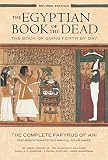
Consider Egyptian Book of the Dead by Ogden Goelet.
“This edition reads like a museum spread: seventy‑four full‑color pages reproduce the Papyrus of Ani in its entirety, with Ogden Goelet supplying translation and brief notes. What works best is immediate visual access to the funerary scroll and the chance to study glyph layout, vignettes, and ceremonial sequence without museum travel. Limitation: it's built around images more than extended argument—if you want dense philology, sustained historical synthesis, or practical guides, the book is thin; captions and short essays can feel decorative rather than rigorous.”
Each recommendation is collected from a public source — interviews, articles, or curated lists — and linked to its original URL. Books with many verifiable recommendations from respected people rank higher.