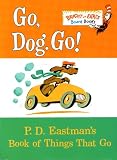
P.D. Eastman's Book of Things That Go
by P. D. Eastman
Recommended by Susan J. Fowler
Check price on AmazonProof-backed recommendation
Amazon availability
Reading this is playful and bouncy: short, rhythmic sentences paired with bold, cartoon dogs deliver quick laughs and a strong read-aloud rhythm. Useful as an early-reader confidence builder — repeated phrases and visual cues help very young children name colors, sizes and motion words while joining in aloud. Main limitation: narrative depth is minimal and the repeated joke and structure wear thin for adults or older kids who want more complexity or fresh surprises.
This summary and audience guidance are AI-generated from the book's description and its recommendation history, last updated June 2026. Recommendations, quotes and sources elsewhere on this page come from published material and are not generated.
Reading goes to the dogs in this timeless Beginner Book edited by Dr. Seuss. From big dogs and little dogs to red, green, and blue dogs, dogs going up and dogs going fast . . . who knew dogs were so busy And laughter will ensue at the repeated question ?Do you like my hat? Like P. D. Eastman?s classic Are You My Mother Go, Dog. Go! has been a go...
Difficulty:hard
Check formats, pricing, and availability options for Kindle, physical print, or audiobooks directly.
View available editions on AmazonWhy recommended
Recommended by 1 source and appears in Childrens, Children’s Fiction, and Children's.
People and public figures who have recommended this book.
Recommendation proof is sourced from public posts, interviews, reading lists, and cited references.
Check formats, pricing, and availability options directly on Amazon.
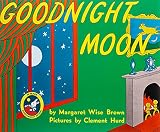
Consider Goodnight Moon by Margaret Wise Brown. Recommended by 10 sources.
“Quiet, spare text and soft, slow illustrations make this a finger-friendly, read-aloud bedtime choice; sentences are short and rhythmical, built around saying goodnight to objects. Its language is almost poem-like, designed for quiet repetition. Its chief value is predictability — the repetition becomes a soothing ritual that helps settle an energetic child. The main limitation is minimalism: adults looking for plot, variety, or interactive features will find the pages sparse, and some readers may think the repeated structure drags or feels dated.”
Each recommendation is collected from a public source — interviews, articles, or curated lists — and linked to its original URL. Books with many verifiable recommendations from respected people rank higher.