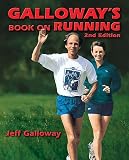
by Jeff Galloway
Practical and plain-spoken, this running guide hands beginners clear pacing rules, gradual mileage programs, and a strong emphasis on rest and recovery. The writing reads like a coach talking through a training plan, with lots of templates and real-world examples you can apply quickly. Where it frustrates is in repeating the same coaching points and relying on anecdotes rather than technical deep-dives into biomechanics. Experienced runners may find some sections redundant. Best used as a how-to guide you consult alongside your weekly schedule.
This summary and audience guidance are AI-generated from the book's description and its recommendation history, last updated June 2026. Recommendations, quotes and sources elsewhere on this page come from published material and are not generated.
Olympic athlete Jeff Galloway shows how amateur runners can use the same training principles followed by worldclass runners. He tells beginners how to get started, explains his ideas on stress and rest, and reveals secrets for running better. In this completely revised and updated new edition of the classic text on running, Galloway includes train...
Difficulty:easy
Check formats, pricing, and availability options for Kindle, physical print, or audiobooks directly.
View available editions on AmazonWhy recommended
appears in Health, Sports, and Nonfiction.
Recommendation proof is sourced from public posts, interviews, reading lists, and cited references.
No verified recommendation proof available yet.
Check formats, pricing, and availability options directly on Amazon.
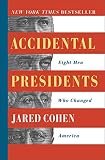
Consider Accidental Presidents by Jared Cohen. Recommended by 10 sources.
“Accidental Presidents offers eight narrative portraits of men who succeeded to the U.S. presidency without election, using anecdote-rich scenes and readable context to show how personality and circumstance interact with office power. It’s strongest as a set of self-contained stories that make succession stakes concrete for non-specialist readers; it does not prioritize dense archival argument or exhaustive methodology, so expect some interpretive generalizations and repeated themes across cases. Use it for fast historical orientation rather than scholarly deep-dives.”

Each recommendation is collected from a public source — interviews, articles, or curated lists — and linked to its original URL. Books with many verifiable recommendations from respected people rank higher.