
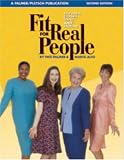
Fit for Real People
Sew Great Clothes Using ANY Pattern (Sewing for Real People series)
by Pati Palmer
Reading Profile
Should I read this?
Practical, photo-led and low-math, Pati Palmer’s Fit for Real People walks you through a no-measuring, no-mockup approach to adjusting commercial tissue patterns. it reads as tactile and instructional: lots of step photographs of real bodies, clear rules for choosing sizes, and updated pattern-industry notes in this edition. Main value is speed and accessibility—shortcuts that get you cutting sooner. Main limitation is grainy repetition and a limitation in technical precision; sewists who want drafting details or calibrated measurements will find it too loose.
Read this if...
- •busy parent and evening sewist rebuilding a capsule wardrobe after a body change: needs quick, photo-led adjustments to commercial patterns so they can finish wearable garments in an evening without drafting or multiple muslins.
- •community-college sewing instructor preparing a single-session fitting demo for beginners: needs clear, step-by-step photographs and simple rules students can replicate in class without relying on measurement tables.
- •hobbyist who buys patterns across several brands and keeps getting inconsistent fits: wants a repeatable visual routine to decide where to cut and tweak tissue patterns between brands without doing measurement math.
Skip this if...
- •You’ll likely put it down when you want pattern-drafting precision—the book stops short of measurement-heavy tailoring and drafting instructions.
- •Annoying if you prefer concise technical specs and numbers: the approach is visual and rule-of-thumb rather than calibrated measurement tables.
- •Not for readers seeking hands-on exercises or templates—lacks structured practice drills and detailed drafting patterns you can copy.
Presented in a new edition that adds updated pattern industry news and revised rules for selecting pattern size, this easy and practical fitting system requires no measuring, no drafting skills, no muslin mockups?and it works with all brands of tissue paper patterns. Real people of all ages are featured in photographs that explain the steps of cut...
Before You Buy
Reading Specifications
Difficulty:hard
Audience Fit
- busy parent and evening sewist rebuilding a capsule wardrobe after a body change: needs quick, photo-led adjustments to commercial patterns so they can finish wearable garments in an evening without drafting or multiple muslins.
- community-college sewing instructor preparing a single-session fitting demo for beginners: needs clear, step-by-step photographs and simple rules students can replicate in class without relying on measurement tables.
- hobbyist who buys patterns across several brands and keeps getting inconsistent fits: wants a repeatable visual routine to decide where to cut and tweak tissue patterns between brands without doing measurement math.
- You’ll likely put it down when you want pattern-drafting precision—the book stops short of measurement-heavy tailoring and drafting instructions.
- Annoying if you prefer concise technical specs and numbers: the approach is visual and rule-of-thumb rather than calibrated measurement tables.
- Not for readers seeking hands-on exercises or templates—lacks structured practice drills and detailed drafting patterns you can copy.
Check formats, pricing, and availability options for Kindle, physical print, or audiobooks directly.
View available editions on AmazonKey themes
Why recommended
appears in Sewing and Nonfiction.
Recommendation Signals
Recommendation proof is sourced from public posts, interviews, reading lists, and cited references.
No verified recommendation proof available yet.
Appears In
Not sure if this is the right fit?
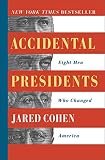
Consider Accidental Presidents by Jared Cohen. Recommended by 10 sources.
“Accidental Presidents offers eight narrative portraits of men who succeeded to the U.S. presidency without election, using anecdote-rich scenes and readable context to show how personality and circumstance interact with office power. It’s strongest as a set of self-contained stories that make succession stakes concrete for non-specialist readers; it does not prioritize dense archival argument or exhaustive methodology, so expect some interpretive generalizations and repeated themes across cases. Use it for fast historical orientation rather than scholarly deep-dives.”
Similar books


How recommendation signals are reviewed
Each recommendation is collected from a public source — interviews, articles, or curated lists — and linked to its original URL. Books with many verifiable recommendations from respected people rank higher.