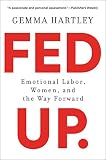
Fed Up
Emotional Labor, Women, and the Way Forward
by Gemma Hartley
Reading Profile
Should I read this?
Gemma Hartley's Fed Up delivers a brisk, anecdote-heavy account of the unpaid emotional work many women shoulder. It supplies vivid household vignettes, first-person reflections, and simple phrases you can borrow when calling out imbalance. The most useful part is its practical vocabulary and relatable scenes for everyday conversations; the limiting part is repetition and a preference for moral urgency over technical policy proposals. Expect a campaigning, plainspoken tone that will rally some readers and irritate those who want analytic depth.
Read this if...
- •a cohabiting partner who recently returned to full-time work after parental leave and finds most household and emotional chores landing on them; needs plain, borrowable phrases and vivid examples to start an awkward conversation with their partner this week
- •an HR manager at a 200–500-person company drafting a short briefing for managers about invisible labor and caregiving burdens; needs everyday anecdotes and simple language to make the issue feel concrete in a 10–15 minute meeting
- •a community organizer running a neighborhood discussion series on household equity who needs short first-person stories and ready-made conversation prompts to kick off workshops now, rather than detailed policy prescriptions
Skip this if...
- •You'll likely put it down when similar household stories are repeated without new insight — the middle sections recycle vignettes and moral appeals, which frustrates readers expecting fresh types of evidence each chapter.
- •Annoying if you prefer dense statistical analysis or detailed policy blueprints — the book leans on narrative and calls to action rather than technical detail.
- •Annoying if you wanted hands-on exercises or step-by-step implementation checklists — the book offers conversation starters and framing but no practical worksheets or exercises.
From Gemma Hartley, the journalist who ignited a national conversation on emotional labor, comes Fed Up, a bold dive into the unpaid, invisible work women have shouldered for too long?and an impassioned vision for creating a better future for us all.Day in, day out, women anticipate and manage the needs of others. In relationships, we initiate the ...
Before You Buy
Reading Specifications
Difficulty:hard
Audience Fit
- a cohabiting partner who recently returned to full-time work after parental leave and finds most household and emotional chores landing on them; needs plain, borrowable phrases and vivid examples to start an awkward conversation with their partner this week
- an HR manager at a 200–500-person company drafting a short briefing for managers about invisible labor and caregiving burdens; needs everyday anecdotes and simple language to make the issue feel concrete in a 10–15 minute meeting
- a community organizer running a neighborhood discussion series on household equity who needs short first-person stories and ready-made conversation prompts to kick off workshops now, rather than detailed policy prescriptions
- You'll likely put it down when similar household stories are repeated without new insight — the middle sections recycle vignettes and moral appeals, which frustrates readers expecting fresh types of evidence each chapter.
- Annoying if you prefer dense statistical analysis or detailed policy blueprints — the book leans on narrative and calls to action rather than technical detail.
- Annoying if you wanted hands-on exercises or step-by-step implementation checklists — the book offers conversation starters and framing but no practical worksheets or exercises.
Check formats, pricing, and availability options for Kindle, physical print, or audiobooks directly.
View available editions on AmazonKey themes
Why recommended
Recommended by 1 source and appears in Relationship.
Recommended by notable people
People and public figures who have recommended this book.
Recommendation Signals
Recommendation proof is sourced from public posts, interviews, reading lists, and cited references.
Appears In

Not sure if this is the right fit?
Consider Getting the Love You Want by Harville Hendrix. Recommended by 3 sources.
Similar books
How recommendation signals are reviewed
Each recommendation is collected from a public source — interviews, articles, or curated lists — and linked to its original URL. Books with many verifiable recommendations from respected people rank higher.