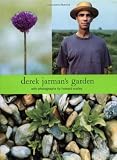
Derek Jarman's Garden
by Derek Jarman
Reading Profile
Should I read this?
Derek Jarman's Garden reads like a painter's notebook about making a garden on shingle beside a nuclear plant, blending vivid sensory detail, sculptural touches and horticultural notes. It’s most useful as an aesthetic and atmospheric account—useful if you want literary gardening rather than practical instruction. The main limitation is uneven focus: prose moves from lush description to ecological rumination to plant lists, so readers who expect steady narrative drive or step-by-step guidance may find it frustrating.
Read this if...
- •a landscape designer at a seaside council converting a shingle verge or traffic island into a low-budget public planting scheme before a planning review — this book supplies compositional ideas, found-material solutions and evocative language to help sell a visually driven concept (not planting schedules)
- •an amateur gardener with an exposed balcony, allotment or coastal plot wrestling with thin soil and salt spray who needs permission to choose sculptural, low-maintenance plantings — read it now as you pick a planting palette and stylistic direction rather than for step-by-step care advice
- •a film student or museum curator preparing a paper or exhibition label about how place shaped an artist’s work who wants sensory passages and image-rich prose to quote or riff from during drafting — useful now while assembling interpretive text, since it offers vivid descriptive material rather than technical art criticism
Skip this if...
- •you'll likely put it down when the narrative pauses for long plant lists or repeated meditations on the site’s bleakness — that stretch is where momentum fades
- •annoying if you prefer structured how-to: lacks hands-on exercises or step-by-step gardening instruction and gives mood and image instead of schedules or troubleshooting
- •not a good fit if you want a brisk, chronological memoir or tight plot; the book drifts between diary, visual note and horticultural catalogue and can feel episodic and uneven
Derek Jarman created his own garden in the flat, bleak expanse of shingle that faces the nuclear power station in Dungeness, Kent. A passionate gardener from childhood, he combined his painter's eye, his horticultural expertise and his ecological convictions to produce a landscape which mixed the flint, shells and driftwood of Dungeness; sculptures...
Before You Buy
Reading Specifications
Difficulty:hard
Audience Fit
- a landscape designer at a seaside council converting a shingle verge or traffic island into a low-budget public planting scheme before a planning review — this book supplies compositional ideas, found-material solutions and evocative language to help sell a visually driven concept (not planting schedules)
- an amateur gardener with an exposed balcony, allotment or coastal plot wrestling with thin soil and salt spray who needs permission to choose sculptural, low-maintenance plantings — read it now as you pick a planting palette and stylistic direction rather than for step-by-step care advice
- a film student or museum curator preparing a paper or exhibition label about how place shaped an artist’s work who wants sensory passages and image-rich prose to quote or riff from during drafting — useful now while assembling interpretive text, since it offers vivid descriptive material rather than technical art criticism
- you'll likely put it down when the narrative pauses for long plant lists or repeated meditations on the site’s bleakness — that stretch is where momentum fades
- annoying if you prefer structured how-to: lacks hands-on exercises or step-by-step gardening instruction and gives mood and image instead of schedules or troubleshooting
- not a good fit if you want a brisk, chronological memoir or tight plot; the book drifts between diary, visual note and horticultural catalogue and can feel episodic and uneven
Check formats, pricing, and availability options for Kindle, physical print, or audiobooks directly.
View available editions on AmazonKey themes
Why recommended
appears in Gardening, Art, and Nonfiction.
Recommendation Signals
Recommendation proof is sourced from public posts, interviews, reading lists, and cited references.
No verified recommendation proof available yet.
Appears In

Not sure if this is the right fit?
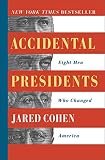
Consider Accidental Presidents by Jared Cohen. Recommended by 10 sources.
“Accidental Presidents offers eight narrative portraits of men who succeeded to the U.S. presidency without election, using anecdote-rich scenes and readable context to show how personality and circumstance interact with office power. It’s strongest as a set of self-contained stories that make succession stakes concrete for non-specialist readers; it does not prioritize dense archival argument or exhaustive methodology, so expect some interpretive generalizations and repeated themes across cases. Use it for fast historical orientation rather than scholarly deep-dives.”
Similar books
How recommendation signals are reviewed
Each recommendation is collected from a public source — interviews, articles, or curated lists — and linked to its original URL. Books with many verifiable recommendations from respected people rank higher.