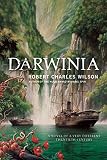
A Novel of a Very Different Twentieth Century
by Robert Charles Wilson
Darwinia hinges on one large speculative change: Europe is replaced by a primeval continent, and the story follows characters dealing with political, ideological, and personal fallout. The narrative alternates travelogue-style description, tense survival episodes, and philosophical detours about belief, empire, and memory. Its chief strength is sustained, imaginative atmosphere—memorable images of alien jungle and odd set-pieces that linger after reading. Its chief limitation is uneven pacing: long descriptive stretches and indulgent tangents leave several character lines underdeveloped and slow the narrative momentum.
This summary and audience guidance are AI-generated from the book's description and its recommendation history, last updated June 2026. Recommendations, quotes and sources elsewhere on this page come from published material and are not generated.
In 1912, history was changed by the Miracle, when the old world of Europe was replaced by Darwinia, a strange land of nightmarish jungle and antediluvian monsters. To some, the Miracle was an act of divine retribution; to others, it is an opportunity to carve out a new empire.Leaving an America now ruled by religious fundamentalists, young Guilford...
Difficulty:hard
Check formats, pricing, and availability options for Kindle, physical print, or audiobooks directly.
View available editions on AmazonWhy recommended
appears in Science Fiction, Fantasy, and Science.
Recommendation proof is sourced from public posts, interviews, reading lists, and cited references.
No verified recommendation proof available yet.
Check formats, pricing, and availability options directly on Amazon.
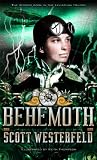
Consider Behemoth by Scott Westerfeld.
“Behemoth reads like a rollicking steampunk war adventure: airships, a gargantuan naval monster, and two young protagonists hiding high-stakes identities. It's strongest as a plot-driven, movie-ready ride for readers who want inventive alternate-history action and YA-suitable stakes. Its limitation: brisk motion sometimes flattens emotional nuance and long sequences of techno-warfare or battle set pieces can feel repetitive; readers seeking slow character psychology or literary subtlety will find it thin. Best enjoyed when you want fast thrills, not deep introspection.”
Each recommendation is collected from a public source — interviews, articles, or curated lists — and linked to its original URL. Books with many verifiable recommendations from respected people rank higher.