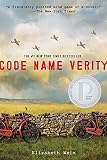
by Elizabeth Wein
Code Name Verity opens as a breathless wartime friendship story and settles into a confessional, high-stakes interrogation. The narrator's voice—chatty, clever, self-aware—carries most of the book's value: close, painful portraits of loyalty, courage, and the cost of secrets. The main limitation is deliberate withholding and a structural shift into dense, reveal-driven sections that can feel slow or manipulative; if you prefer straightforward plot momentum over voice and emotional payoff, parts will drag. Strong character work, sparse on practical spyhow-to detail.
This summary and audience guidance are AI-generated from the book's description and its recommendation history, last updated June 2026. Recommendations, quotes and sources elsewhere on this page come from published material and are not generated.
Oct. 11th, 1943 A British spy plane crashes in Nazioccupied France. Its pilot and passenger are best friends. One of the girls has a chance at survival. The other has lost the game before it's barely begun. When "Verity" is arrested by the Gestapo, she's sure she doesn't stand a chance. As a secret agent captured in enemy territory, she's living...
Difficulty:hard
Check formats, pricing, and availability options for Kindle, physical print, or audiobooks directly.
View available editions on AmazonWhy recommended
appears in Teen, Teen & Young Adult, and Adult.
Recommendation proof is sourced from public posts, interviews, reading lists, and cited references.
No verified recommendation proof available yet.
Check formats, pricing, and availability options directly on Amazon.
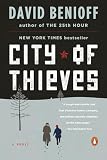
Consider City of Thieves by David Benioff. Recommended by 6 sources.
“City of Thieves reads like a compact survival buddy tale set during the siege of Leningrad: brisk plotting, bleak conditions, and a running thread of dark, often gallows humor as two young men hunt for a dozen eggs. Its useful part is the human-sized adventure—small missions expose moral choices under extreme scarcity. The main limitation is tonal whiplash: comic camaraderie and sudden violence can jar, frustrating readers who prefer consistently sober or documentary-style wartime fiction.”
Each recommendation is collected from a public source — interviews, articles, or curated lists — and linked to its original URL. Books with many verifiable recommendations from respected people rank higher.