

Ao Haru Ride, Vol. 1
by Io Sakisaka
Reading Profile
Should I read this?
Reading Ao Haru Ride, Vol. 1 feels like slipping into a soft, shy high‑school romance: panels linger on faces and feelings more than plot events. Futaba's voice and Io Sakisaka's delicate linework are the book's main pleasures — lots of interior monologue and mood-heavy scenes that make emotional beats land. The limitation is slow pacing and repeated miscommunications that stretch the first volume; if you want quick payoff or action-driven plot, this may feel stalled. Best consumed in short, emotional sittings.
Read this if...
- •a 9th-grade student starting a new high-school term who wants a mirror for awkward crushes and shifting friendships — the short, mood-focused chapters map onto that social uncertainty and feel immediately relatable right now
- •a high-school English teacher building a brief unit on contemporary teen stories who needs compact, discussion-ready excerpts — individual chapters can serve as single-class reads or homework texts this semester
- •a young professional with 15–30 minute commutes who wants an emotionally-paced, single-sitting read to decompress after work — chapter-sized beats make it easy to finish an installment per ride
Skip this if...
- •you'll likely put it down when the plot slows and scenes replay the same misunderstandings: the middle sections linger on introspection and can feel repetitive
- •annoying if you prefer plot-forward romances or clear, fast resolutions — this volume prioritizes mood over momentum
- •frustrating if you dislike passive or aloof romantic leads and melodramatic misunderstandings; emotional subtlety here reads like indecision to some readers
The popular shojo manga series that was adapted into the Blue Spring Ride anime!In high school, Futaba gets a second chance with her first love, Kou. Futaba Yoshioka thought all boys were loud and obnoxious until she met Kou Tanaka in junior high. But as soon as she realized she really liked him, he had already moved away because of family issues. ...
Before You Buy
Reading Specifications
Difficulty:hard
Audience Fit
- a 9th-grade student starting a new high-school term who wants a mirror for awkward crushes and shifting friendships — the short, mood-focused chapters map onto that social uncertainty and feel immediately relatable right now
- a high-school English teacher building a brief unit on contemporary teen stories who needs compact, discussion-ready excerpts — individual chapters can serve as single-class reads or homework texts this semester
- a young professional with 15–30 minute commutes who wants an emotionally-paced, single-sitting read to decompress after work — chapter-sized beats make it easy to finish an installment per ride
- you'll likely put it down when the plot slows and scenes replay the same misunderstandings: the middle sections linger on introspection and can feel repetitive
- annoying if you prefer plot-forward romances or clear, fast resolutions — this volume prioritizes mood over momentum
- frustrating if you dislike passive or aloof romantic leads and melodramatic misunderstandings; emotional subtlety here reads like indecision to some readers
Check formats, pricing, and availability options for Kindle, physical print, or audiobooks directly.
View available editions on AmazonKey themes
Why recommended
appears in Romance Manga.
Recommendation Signals
Recommendation proof is sourced from public posts, interviews, reading lists, and cited references.
No verified recommendation proof available yet.
Appears In
Not sure if this is the right fit?
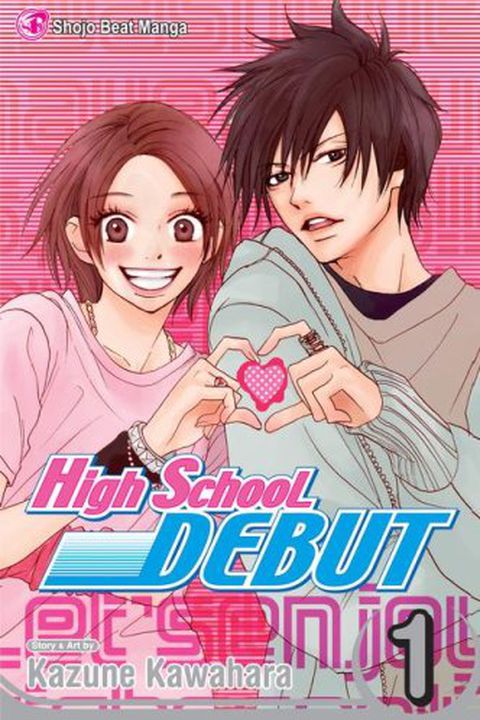
Consider High School Debut, Vol. 1 by Kazune Kawahara.
“High School Debut, Vol. 1 opens as a breezy shojo rom-com: Haruna decides to pursue a textbook high-school romance and hires upperclassman Yoh to coach her through dating skills. Expect playful makeover scenes, awkward misunderstandings, and earnest character-behavior beats that aim for charm more than realism. What works best is light, character-driven entertainment and the comfortable rhythm of serialized manga pacing; the main limitation is predictable tropes and occasional repetition of the same romantic-lesson beats.”
Similar books




How recommendation signals are reviewed
Each recommendation is collected from a public source — interviews, articles, or curated lists — and linked to its original URL. Books with many verifiable recommendations from respected people rank higher.