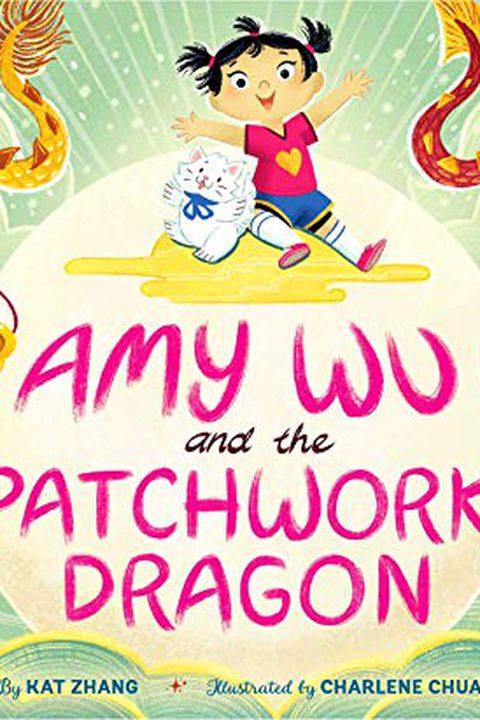
by Kat Zhang
Amy Wu and the Patchwork Dragon is a sweet, brightly illustrated picture book built for read‑alouds and quick classroom reads. The pleasure comes from watching a child experiment with materials and ideas, and from simple beats that invite conversation about originality and choice. Main value: a gentle, child-centered nudge toward playful problem‑solving and confidence with crafts. Main limitation: the plot and characterization stay compact and tidy, so adults seeking deeper stakes or practical craft guidance may find it thin.
This summary and audience guidance are AI-generated from the book's description and its recommendation history, last updated May 2026. Recommendations, quotes and sources elsewhere on this page come from published material and are not generated.
In this sweet and brightly illustrated picture book, Amy Wu must craft a dragon unlike any other to share with her class at school in this unforgettable followup to Amy Wu and the Perfect Bao.Amy loves craft time at school. But when her teacher asks everyone to make their own dragon, Amy feels stuck. Her first dragon has a long, wingless body, sta...
Difficulty:hard
Check formats, pricing, and availability options for Kindle, physical print, or audiobooks directly.
View available editions on AmazonRecommendation proof is sourced from public posts, interviews, reading lists, and cited references.
No verified recommendation proof available yet.
Check formats, pricing, and availability options directly on Amazon.
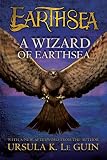
Consider A Wizard of Earthsea by Ursula K. le Guin. Recommended by 3 sources.
“Le Guin's novel reads as a compact, lyrical coming-of-age quest: a bright, reckless boy learns the costs of magic, speaks true names, faces a shadow he unleashed, and travels through islands and encounters that test his craft. What works best is the spare, poetic prose that turns familiar fantasy plot beats into moral parables about hubris, restraint, and identity. The limitation: the pacing is deliberate and episodic, and some readers may find female characters thinly sketched and moral lessons stated rather than deeply argued.”
Each recommendation is collected from a public source — interviews, articles, or curated lists — and linked to its original URL. Books with many verifiable recommendations from respected people rank higher.