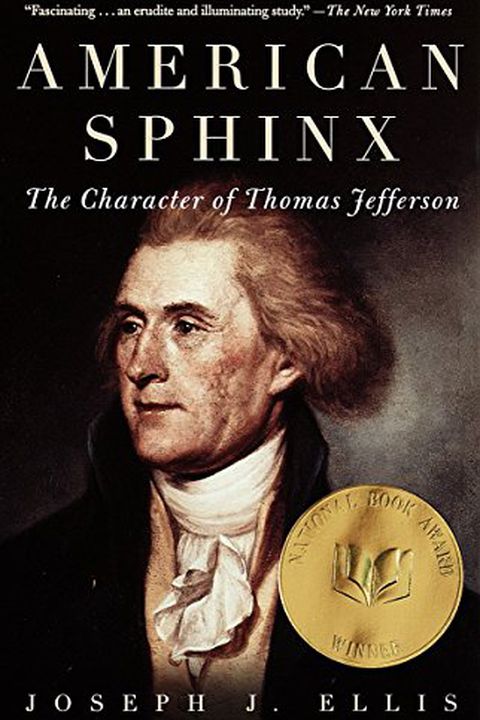
The Character of Thomas Jefferson
by Joseph J. Ellis
Joseph J. Ellis follows his subject from the drafting of the Declaration to retirement at Monticello in steady, narrative prose that blends intellectual portraiture with political chronology. The book’s chief value is its attention to moral and political tension—public republicanism set against private practice—and how those tensions shaped the early republic. Its usefulness lies in clear vignettes and connective historical context; its main limitation is occasional overreliance on inferred motives and long stretches of archival detail that test reader patience.
This summary and audience guidance are AI-generated from the book's description and its recommendation history, last updated May 2026. Recommendations, quotes and sources elsewhere on this page come from published material and are not generated.
Following his subject from the drafting of the Declaration of Independence to his retirement in Monticello, Joseph Ellis unravels the contradictions of the Jeffersonian character. A marvel of scholarship, a delight to read, and an essential gloss on the Jeffersonian legacy....
Difficulty:hard
Check formats, pricing, and availability options for Kindle, physical print, or audiobooks directly.
View available editions on AmazonWhy recommended
appears in American History, History, and Nonfiction.
Recommendation proof is sourced from public posts, interviews, reading lists, and cited references.
No verified recommendation proof available yet.
Check formats, pricing, and availability options directly on Amazon.
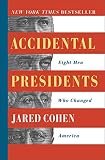
Consider Accidental Presidents by Jared Cohen. Recommended by 10 sources.
“Accidental Presidents offers eight narrative portraits of men who succeeded to the U.S. presidency without election, using anecdote-rich scenes and readable context to show how personality and circumstance interact with office power. It’s strongest as a set of self-contained stories that make succession stakes concrete for non-specialist readers; it does not prioritize dense archival argument or exhaustive methodology, so expect some interpretive generalizations and repeated themes across cases. Use it for fast historical orientation rather than scholarly deep-dives.”

Each recommendation is collected from a public source — interviews, articles, or curated lists — and linked to its original URL. Books with many verifiable recommendations from respected people rank higher.