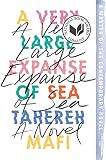
by Tahereh Mafi
A tight first-person YA set shortly after 9/11 follows a sixteen-year-old Muslim girl who copes with stereotyping, mean looks, and a cautious romantic thread. The prose favors short, punchy scenes and wry, guarded narration that makes ordinary prejudice feel immediate and personal. Most of the book is a character portrait rather than a political survey, so it’s strongest when you want mood and voice. Repetition of similar incidents and inward commentary can make the middle section feel stretched for readers craving plot momentum.
This summary and audience guidance are AI-generated from the book's description and its recommendation history, last updated June 2026. Recommendations, quotes and sources elsewhere on this page come from published material and are not generated.
It_x0092_s 2002, a year after 9/11. It_x0092_s an extremely turbulent time politically, but especially so for someone like Shirin, a sixteenyearold Muslim girl who_x0092_s tired of being stereotyped.Shirin is never surprised by how horrible people can be. She_x0092_s tired of the rude stares, the degrading comments even the physical violence she endures as a result ...
Difficulty:hard
Check formats, pricing, and availability options for Kindle, physical print, or audiobooks directly.
View available editions on AmazonWhy recommended
appears in Young Adult, Teen, and Teen & Young Adult.
Recommendation proof is sourced from public posts, interviews, reading lists, and cited references.
No verified recommendation proof available yet.
Check formats, pricing, and availability options directly on Amazon.
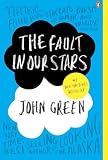
Consider The Fault in Our Stars by John Green. Recommended by 6 sources.
“John Green's novel reads like a teen-first-person confessional: voice-first, wry, and often self-aware. Most of the pleasure comes from the banter between Hazel and Augustus, the book's knack for blunt one-liners, and its blunt focus on youth confronting mortality without sentimental erasure. The limitation is a tendency toward theatrical scenes and repeated metaphors that some readers find emotionally manipulative; if you prefer plot-driven novels or clinical distance, the lingering sadness and romantic idealization may grate. Best read when you want a quick, emotionally concentrated story.”
Each recommendation is collected from a public source — interviews, articles, or curated lists — and linked to its original URL. Books with many verifiable recommendations from respected people rank higher.