
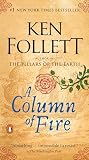
A Column of Fire
A Novel (Kingsbridge)
by Ken Follett
Reading Profile
Should I read this?
A Column of Fire throws a broad canvas at Tudor-Elizabethan Europe: long timelines, shifting locations, and a cast that grows until the narrative feels like overlapping mini-dramas. Its useful part is steady scene-by-scene plotting and explicit spy/court episodes that create clear forward momentum and periodic cliffhangers. Its limiting side is repetition—long diplomatic sequences and frequent point-of-view swaps dilute emotional focus and slow the middle. If you enjoy sprawling political maneuvering and episodic rewards, patience pays; if not, the breadth will feel draining.
Read this if...
- •a secondary-school history teacher planning a unit on Elizabethan England, because vivid set pieces and political scenes can spark classroom discussion and help students picture the period
- •a commuter with 30–60 minute daily trips who wants a book to stretch across weeks, because clear scene breaks and recurring cliffhangers make it easy to stop and resume without losing the plot
- •a reader rebuilding long-form stamina after mostly reading short novels, because the episodic momentum and frequent revelations keep pages turning through a long runtime
Skip this if...
- •you'll likely put it down when the narrative shifts into long stretches of diplomatic maneuvering and multiple point-of-view threads — the middle can feel repetitive and slow
- •annoying if you prefer tight psychological focus or a single strong protagonist; the large roster of minor characters spreads emotional investment thin
- •frustrating if you want short, self-contained stories or lean prose; the sprawling plot demands patience and attention to follow many subplots
#1 NEW YORK TIMES BESTSELLER "Absorbing . . . impossible to resist." The Washington Post As Europe erupts, can one young spy protect his queen #1 New York Times bestselling author Ken Follett takes us deep into the treacherous world of powerful monarchs, intrigue, murder, and treason with his magnificent new epic, A Column of Fire.In 1558, the a...
Before You Buy
Reading Specifications
Difficulty:hard
Audience Fit
- a secondary-school history teacher planning a unit on Elizabethan England, because vivid set pieces and political scenes can spark classroom discussion and help students picture the period
- a commuter with 30–60 minute daily trips who wants a book to stretch across weeks, because clear scene breaks and recurring cliffhangers make it easy to stop and resume without losing the plot
- a reader rebuilding long-form stamina after mostly reading short novels, because the episodic momentum and frequent revelations keep pages turning through a long runtime
- you'll likely put it down when the narrative shifts into long stretches of diplomatic maneuvering and multiple point-of-view threads — the middle can feel repetitive and slow
- annoying if you prefer tight psychological focus or a single strong protagonist; the large roster of minor characters spreads emotional investment thin
- frustrating if you want short, self-contained stories or lean prose; the sprawling plot demands patience and attention to follow many subplots
Check formats, pricing, and availability options for Kindle, physical print, or audiobooks directly.
View available editions on AmazonKey themes
Why recommended
appears in Historical Fiction and Fiction.
Recommendation Signals
Recommendation proof is sourced from public posts, interviews, reading lists, and cited references.
No verified recommendation proof available yet.
Appears In
Not sure if this is the right fit?
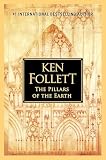
Consider The Pillars of the Earth by Ken Follett. Recommended by 5 sources.
“This sprawling, detail-rich historical novel follows cathedral builders, nobles, and townspeople across decades, delivering immersive scene-setting and a steady accumulation of plotlines. Its useful part is the sustained attention to craft—architecture, politics, rivalry—that makes the medieval world tangible. The main limitation is repetitive melodrama and swings in pacing: long, satisfying set pieces sit beside stretches that feel slow or contrived. Better read slowly rather than skimmed; readers who stick it out will find payoff in the concluding convergences.”
Similar books

How recommendation signals are reviewed
Each recommendation is collected from a public source — interviews, articles, or curated lists — and linked to its original URL. Books with many verifiable recommendations from respected people rank higher.