
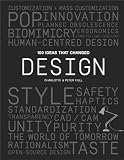
100 Ideas that Changed Design
by Peter Fiell
Amazon availability
Reading Profile
Should I read this?
100 Ideas that Changed Design is an entry-driven survey of industrial and product design: short, illustrated write-ups that link specific objects or innovations to larger shifts in materials, production, and style. It’s most useful as a dip-in reference for inspiration and quick historical context rather than as a source of deep criticism or technical instruction. Expect wide coverage and many visual examples but only succinct explanations; recurring themes are signposted but rarely interrogated at length. Readers who want argument or studio methods will be left wanting.
Read this if...
- •Product designer preparing a short stakeholder presentation on design history — provides quick, image-backed examples to illustrate how past choices shaped form and manufacture.
- •Design student between semesters wanting a fast refresher on turning points — bite-sized entries let you revisit many ideas across a few reading sessions.
- •Museum educator assembling an introductory handout for a design exhibit — concise summaries give visitors accessible touchpoints without heavy reading time.
Skip this if...
- •You’ll likely put it down when you want long-form argumentation or deep critical history; the catalogue-style entries feel too brief for sustained analysis.
- •Annoying if you prefer procedural or practice-oriented books — it lacks studio techniques, step-by-step methods, or hands-on exercises.
- •Lose interest if you expect exhaustive sourcing or heavy theoretical framing; the selection favors breadth and snapshots over dense scholarship and extended context.
This inspiring book chronicles the most influential ideas that have shaped industrial and product design. Written by two experts on modern design, it provides a concise history of the subject, and offers a fascinating resource to dip into for the general reader.From the origins of modern design in the craft movements of the 19th and early 20th cent...
Before You Buy
Reading Specifications
Difficulty:easy
Audience Fit
- Product designer preparing a short stakeholder presentation on design history — provides quick, image-backed examples to illustrate how past choices shaped form and manufacture.
- Design student between semesters wanting a fast refresher on turning points — bite-sized entries let you revisit many ideas across a few reading sessions.
- Museum educator assembling an introductory handout for a design exhibit — concise summaries give visitors accessible touchpoints without heavy reading time.
- You’ll likely put it down when you want long-form argumentation or deep critical history; the catalogue-style entries feel too brief for sustained analysis.
- Annoying if you prefer procedural or practice-oriented books — it lacks studio techniques, step-by-step methods, or hands-on exercises.
- Lose interest if you expect exhaustive sourcing or heavy theoretical framing; the selection favors breadth and snapshots over dense scholarship and extended context.
Check formats, pricing, and availability options for Kindle, physical print, or audiobooks directly.
View available editions on AmazonKey themes
Why recommended
appears in Design and Nonfiction.
Recommendation Signals
Recommendation proof is sourced from public posts, interviews, reading lists, and cited references.
No verified recommendation proof available yet.
Ready to read 100 Ideas that Changed Design?
Check formats, pricing, and availability options directly on Amazon.
Appears In
Not sure if this is the right fit?
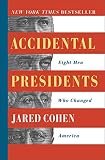
Consider Accidental Presidents by Jared Cohen. Recommended by 10 sources.
“Accidental Presidents offers eight narrative portraits of men who succeeded to the U.S. presidency without election, using anecdote-rich scenes and readable context to show how personality and circumstance interact with office power. It’s strongest as a set of self-contained stories that make succession stakes concrete for non-specialist readers; it does not prioritize dense archival argument or exhaustive methodology, so expect some interpretive generalizations and repeated themes across cases. Use it for fast historical orientation rather than scholarly deep-dives.”
Similar books


How recommendation signals are reviewed
Each recommendation is collected from a public source — interviews, articles, or curated lists — and linked to its original URL. Books with many verifiable recommendations from respected people rank higher.